Perhaps I’m in the current trend minority, but I don’t see any benefit to limiting electronics access. Here’s my experience:
By 14 months old, as a result of the screen, various devices, and my engaged involvement with my daughter, she was fluent in ASL, had 700+ signs, and the words (verbally) to go with them. By 22 months, she was speaking in full sentences in English, French, and ASL. I did a second review of “accumulated used signs” at 22 months it it was over 1000. I stopped keeping track.
At two, she knew all about the cosmos. At three she was obsessed with human anatomy and biology and spoke in depth about the various systems of the body and how they functioned.. This led to her all but memorizing every single episode of Bill Nye the Science Guy by her 4th year. Then the inventing began, followed by the engineering of various structures and solutions for everything she came across. These were aided by various movies, tv shows (especially out of the UK), and apps that stretched her physics awareness as well as geometry and other related “subjects”.
She’s now 7, is entirely fluent with any digital platform she can get her hands on, and is constantly creating complex imaginary play. She can build a world in Minecraft, or spend the day in her treehouse with her toys. She designs metropolises out of log, branch, and 2×4 cuttings (all random pieces) that she either stacks, arranges, or screws together. The other day, on top of a mountain on tribal lands (Jicarilla Apache), we made an adobe house, the size of a soft ball.
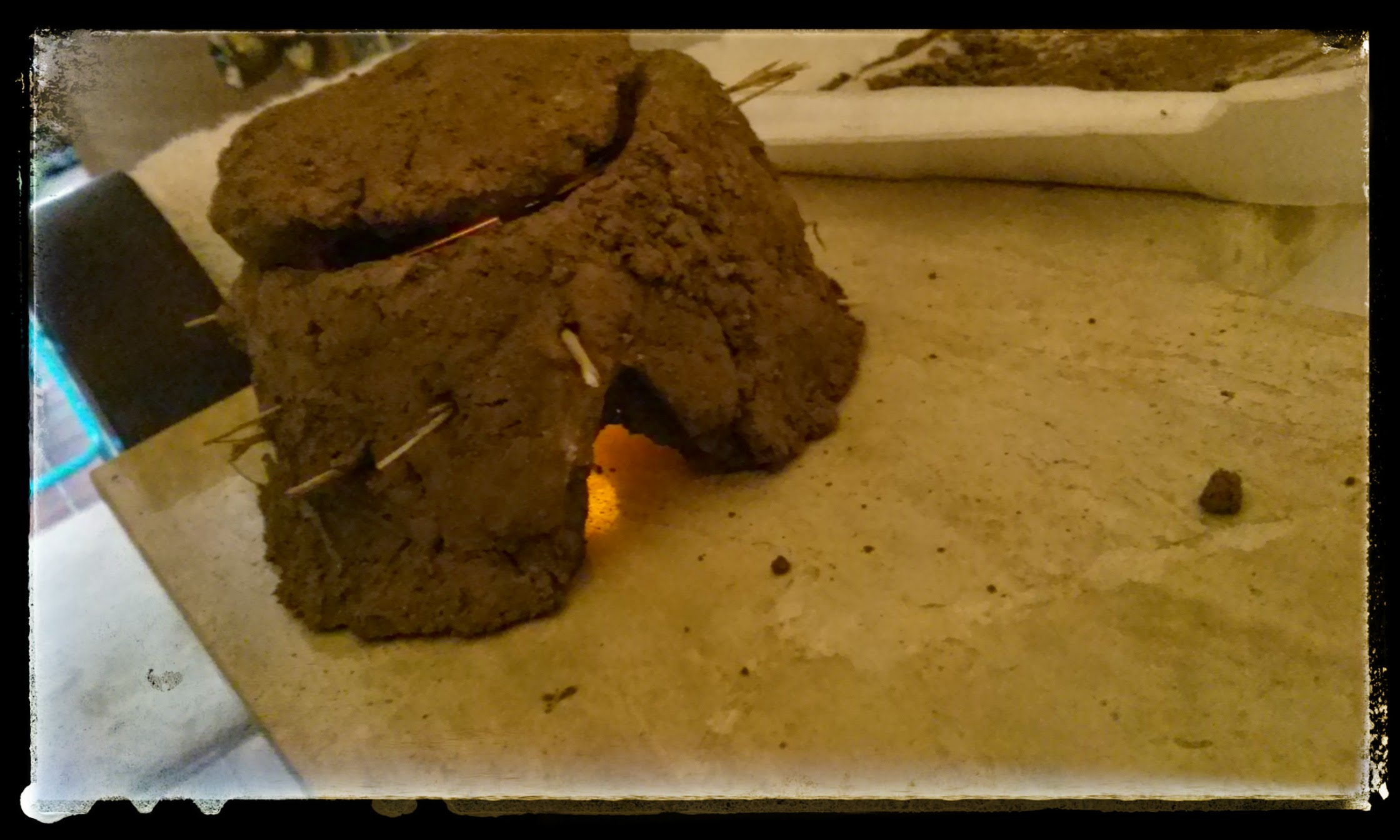
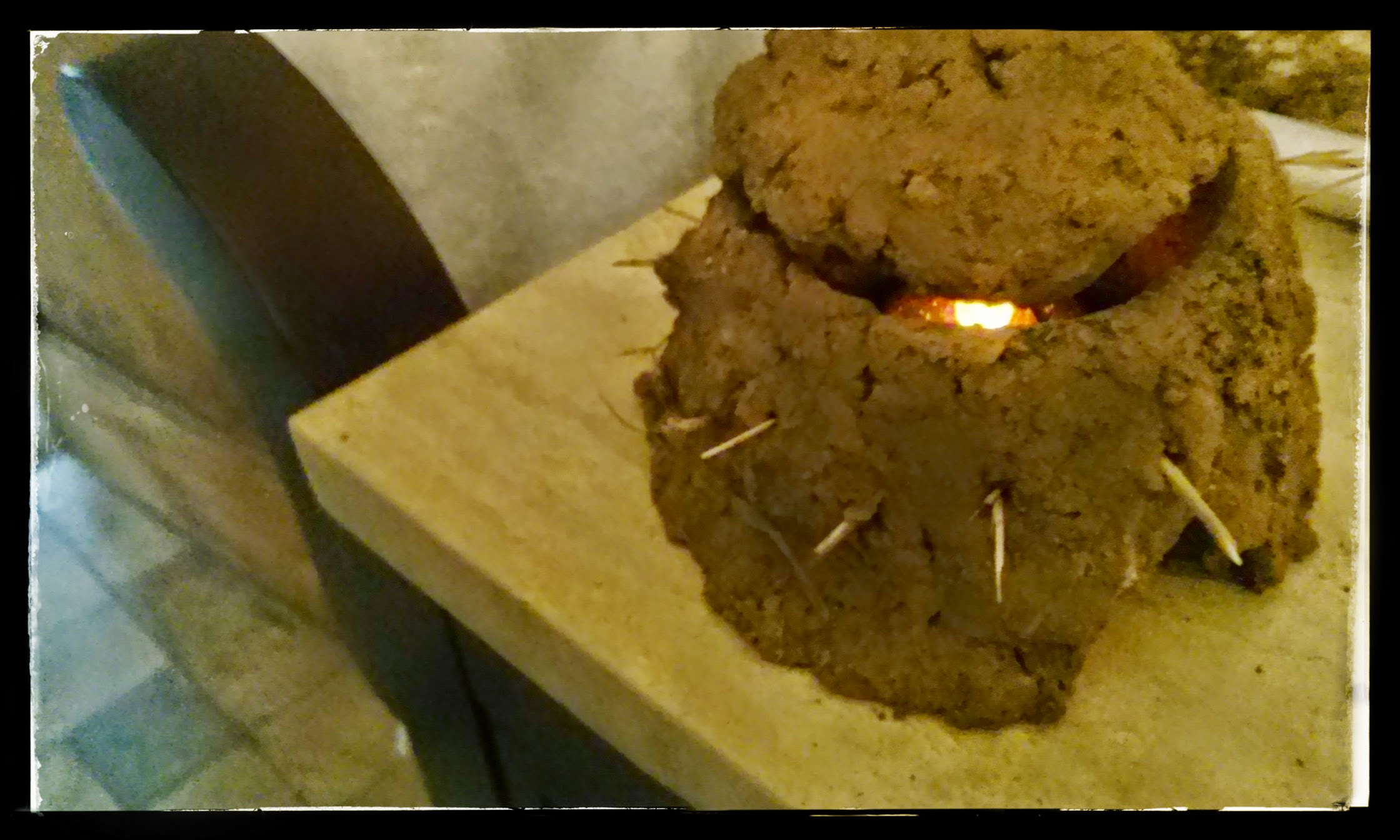
We learned all about the Jicarilla Apache… http://www.jicarillaonline.com/
http://en.wikipedia.org/wiki/Jicarilla_Apache
Jicarilla Apache refers to the members of the Jicarilla Apache Nation currently living in New Mexico and speaking a Southern Athabaskan language. The term jicarilla, pronounced[needs IPA] “heek-ah-REE-jah”,[4] comes from Mexican Spanish meaning “little basket”. Their autonym is Tinde or Dinde, meaning “the People”.[5] To neighboring Apache bands like the Mescalero and Lipan they were known as Kinya-Inde (“People who live in fixed houses”). The Jicarilla called themselves also Haisndayin translated as “people who came from below”,[nb 2] because they believed to be the sole descendants of the first people to emerge from the underworld, the abode of Ancestral Man and Ancestral Woman who produced the first people.[citation needed]
The Jicarilla Apache lived in a semi-nomadic existence in the Sangre de Cristo Mountains and plains of southern Colorado, northernNew Mexico and ranged into the Great Plains starting before 1525 CE. They lived a relatively peaceful life for years, traveling seasonally to traditional hunting, gathering and cultivation along river beds. The Jicarilla learned about farming and pottery from thePuebloan peoples and learned about survival on the plains from the Plains Indians and had a rich and varied diet and lifestyle. Starting in the 1700s Colonial New Spain, pressure from other Native American tribes, like the Comanches, and later westward expansion of theUnited States resulted in significant loss of property, removal from their sacred lands, and relocation to lands not suited for survival.
The mid-1800s until the mid-1900s were particularly difficult as tribal bands were displaced, treaties made and broken, subject to significant loss of life due to tuberculosis and other diseases, and lack of opportunities for survival. By 1887 they received their reservation, which was expanded in 1907 to include land more conducive to ranching and agriculture, and within several decades realized the rich natural resources of the San Juan Basin under the reservation land.
Tribal members transitioned from a semi-nomadic lifestyle and are now supported by their oil and gas, casino gaming, forestry,ranching and tourism industries on the reservation. The Jicarilla continue to be known for their pottery, basketry and beadwork.
http://www-personal.umich.edu/~sarhaus/courses/NRE501_W1999/FINAL/BEISELT/Jicarilla99/photo.htm
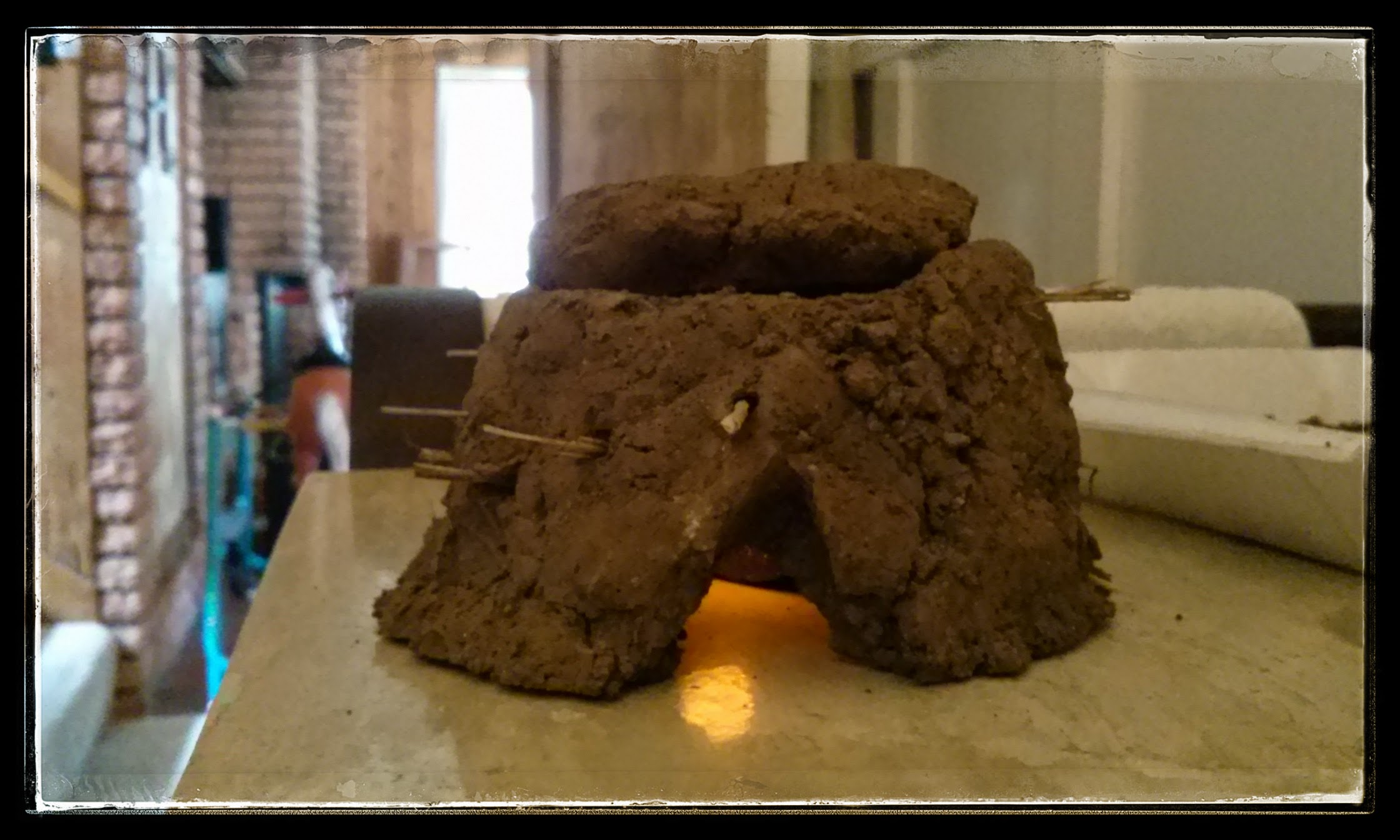
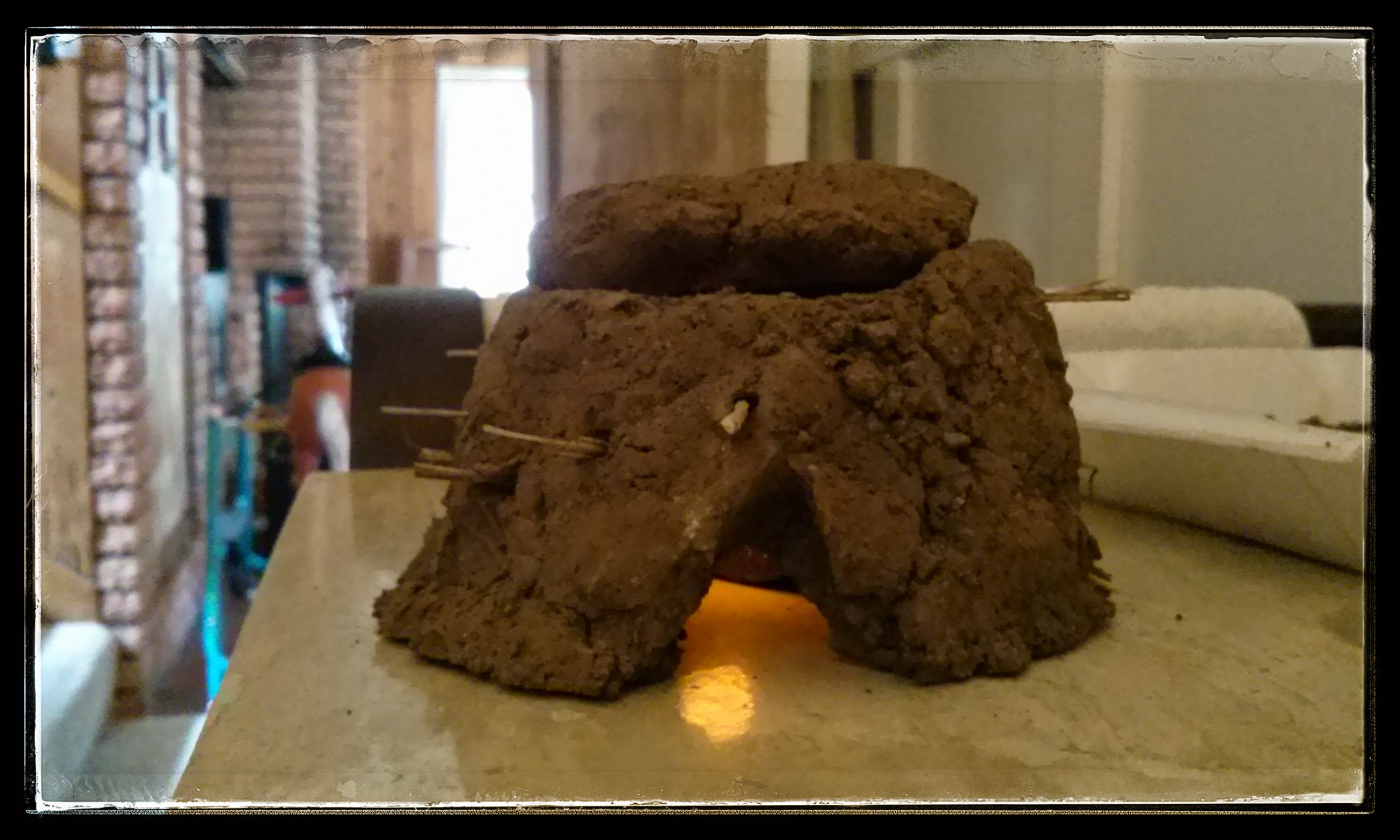
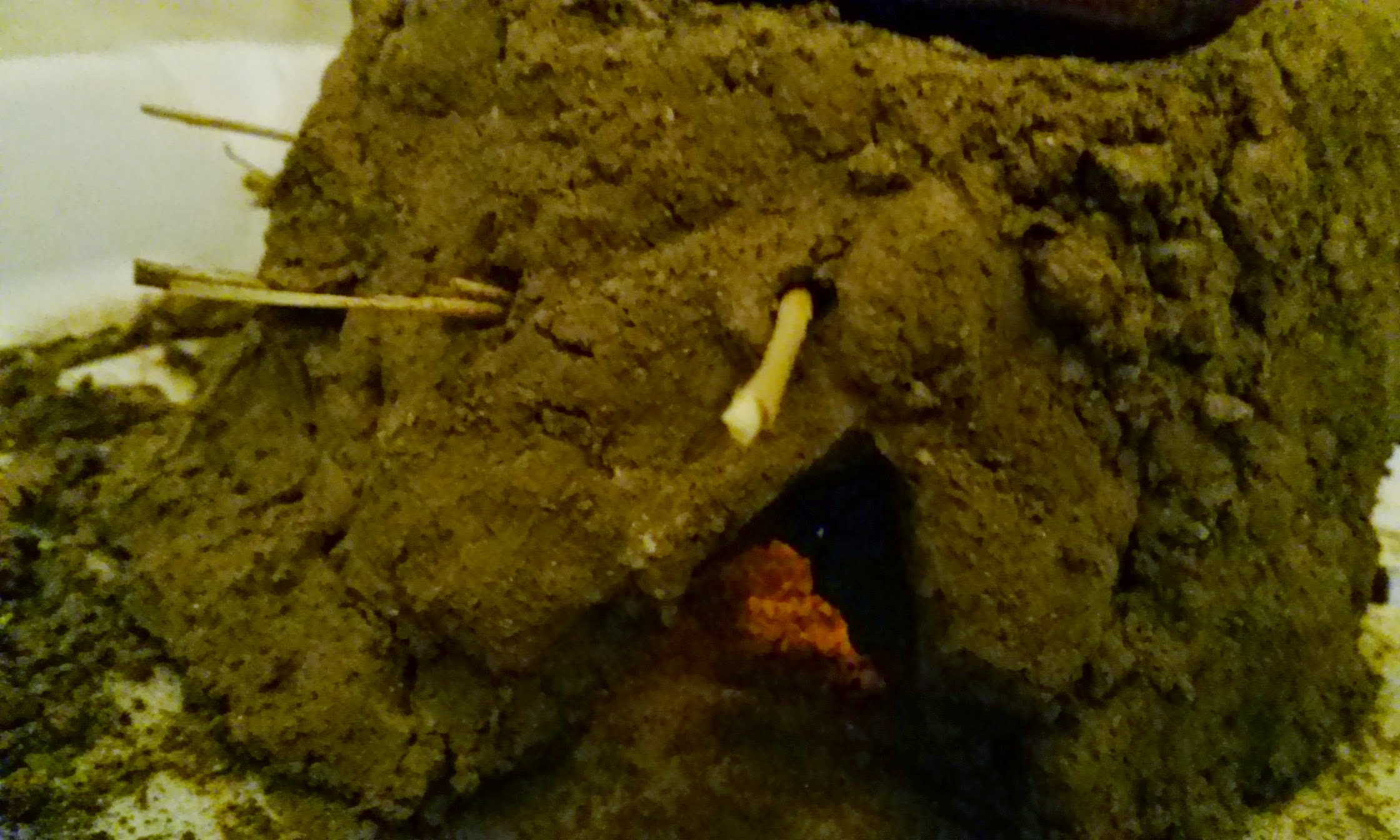
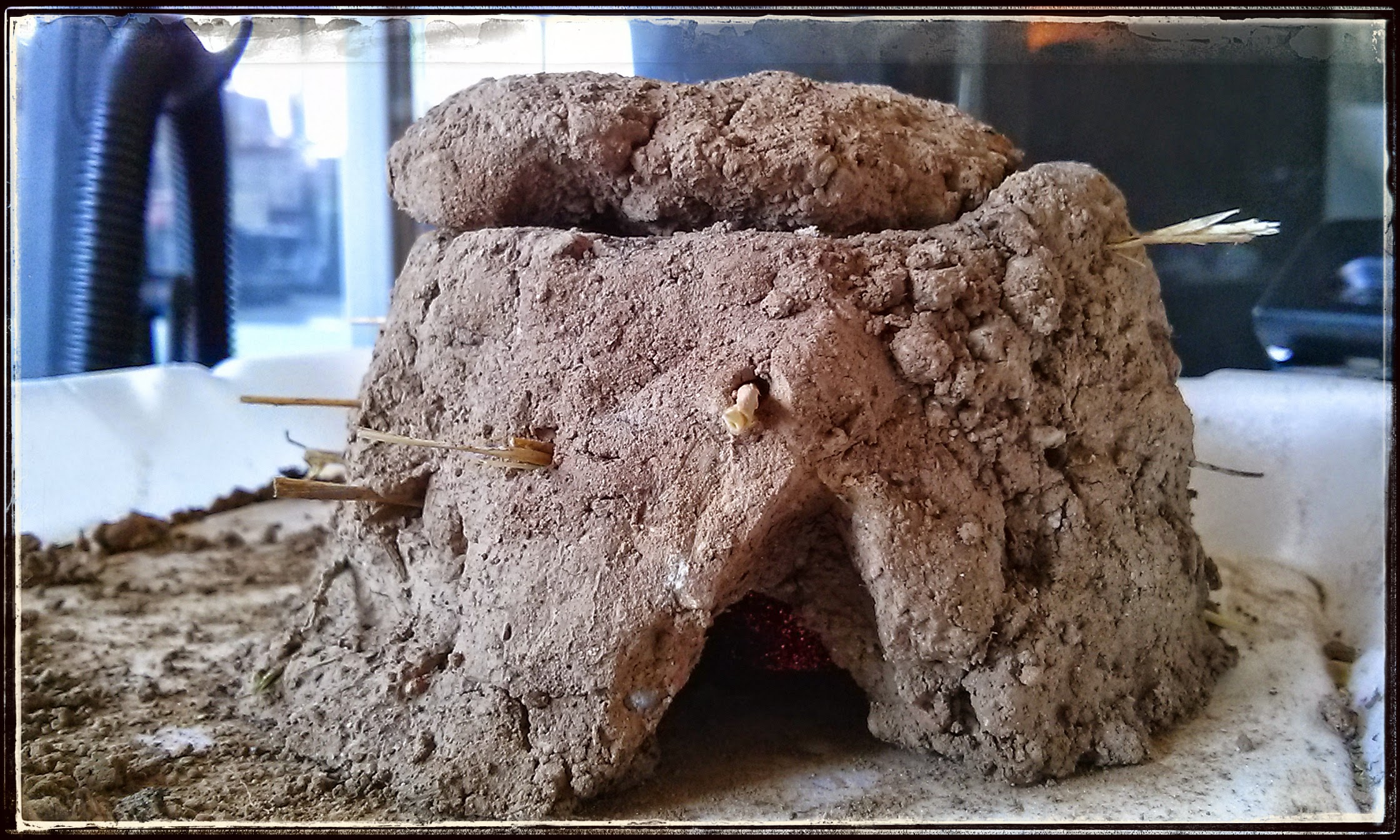
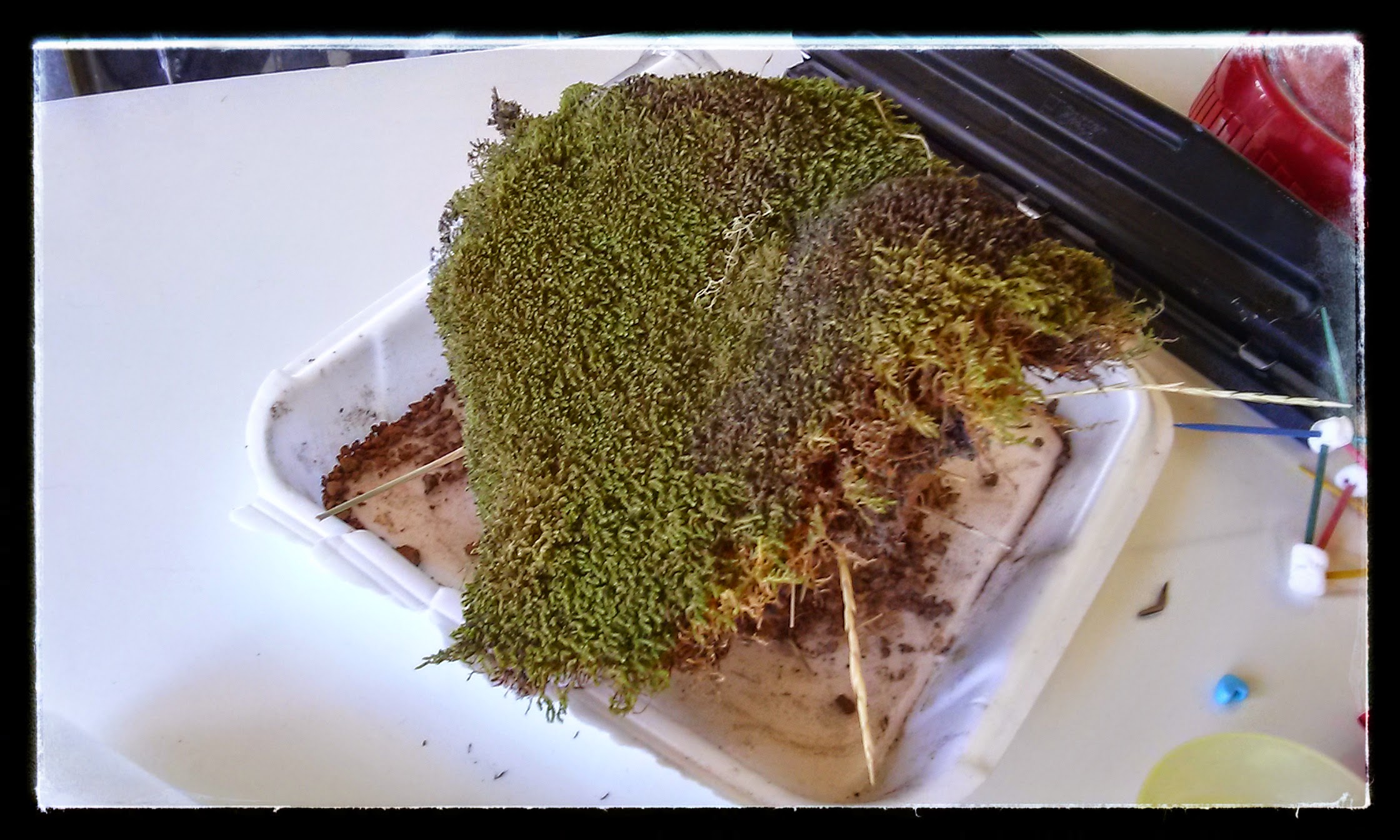
This is our moss covered roof.. it is truly an earth house for a fairy.
She enjoys her friends, bike rides, swinging in the hammock, and traveling all over the country with her Papa and I, taking in the culture, society, history, and environment in each place we visit. She’s made friends virtually and in person, almost everywhere we’ve been.
For her, it’s seamless. Her imagination is alive, and she uses it to do things with her hands as well as virtually. She acquires language and knowledge effortlessly. Her education is her childhood, and her curiosity carves her path. If I’d limited anything that interested her (we are a non-violent home, non-punitive, and partner with our child instead of manage her), I am confident I’d have stunted her development along the way. I can’t wait to see what the next 10 years will bring with her. 😉